
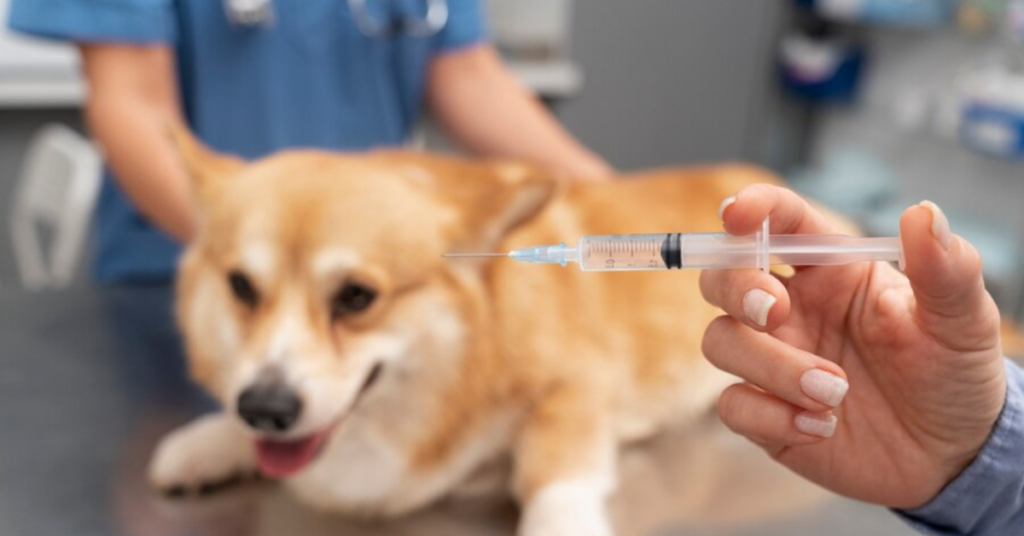
Vaccinating your companion dog is just as important as safeguarding your own health. To protect your dogs from potentially fatal illnesses or infections, you as pet owners must prioritize dog vaccination and a regular vaccination schedule. However, many of you are still unaware of the importance of dog vaccinations, therefore, understanding the importance of vaccinating your dog and maintaining a regular vaccination schedule is utmost crucial for responsible pet parenting.
Importance of Dog Vaccination
Dog vaccinations respond similarly to human vaccines. This plays an important part in building and developing your dog’s immune system. These vaccines contain antigens that stimulate the production of antibodies, increasing your dog’s ability to fight disease. Vaccinating your dog periodically through a proper vaccination schedule will protect their long-term health and well-being, and dramatically reduce the danger and severity of the illnesses.
Core Pet Dog Vaccinations
Puppies are particularly vulnerable to foreign infections until they are properly vaccinated. While parent antibodies provide early protection, this diminishes over time. This highlights the necessity of early vaccinations when bringing a new puppy home. You must consult a veterinarian about the necessary vaccines and timetable. To ensure your puppy is free of any health hazards you must provide the given vaccinations as a basic:
- Canine Anti-Rabies
- Canine Parvovirus
- Canine Distemper
- Hepatitis
However, you must provide these additional vaccinations as per dog vaccination schedule for your pet’s overall health and well-being.
- Canine Coronavirus
- Canine Influenza
- Bordetella (Kennel cough vaccine)
- Leptospirosis
- Lyme Vaccine (transmitted by ticks and fleas)
While secondary vaccinations are not as important as core vaccinations, they are still essential and must be administered by your veterinarian after taking into account your dog’s health history, age, breed, and lifestyle.
Dog Vaccination Schedule
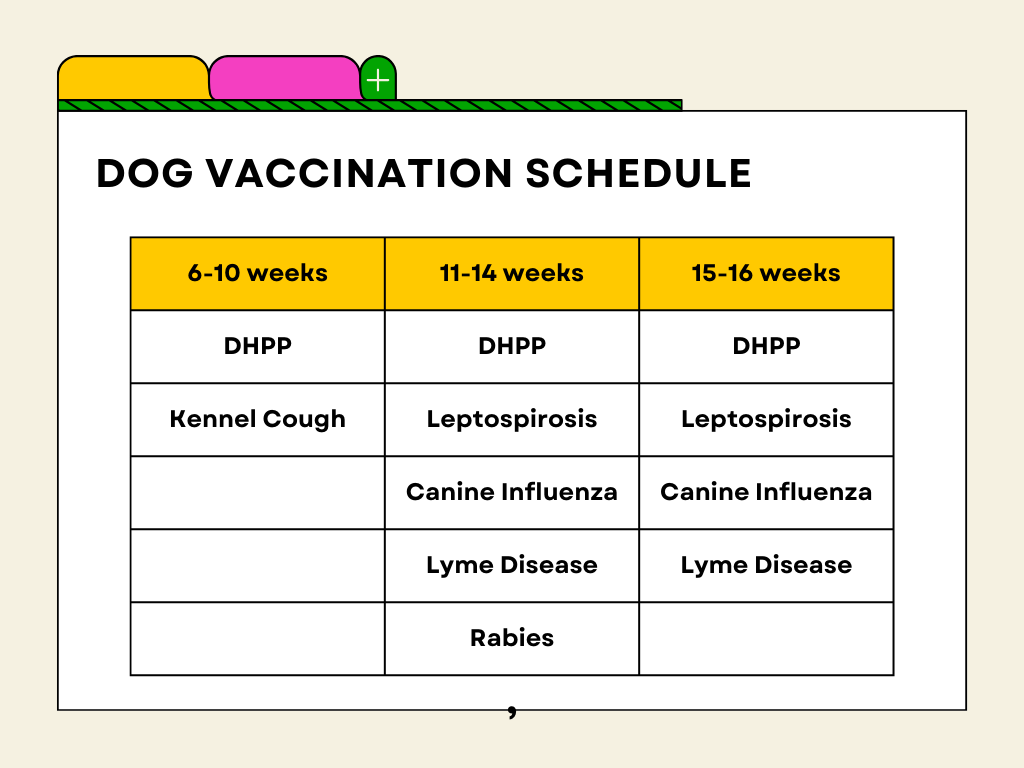
The anti-rabies vaccine is the most crucial vaccination for your dog, as it protects both the dog and its owners. Administer regular anti-rabies vaccination, beginning at 12 weeks for puppies and continuing annually thereafter. A puppy immunization program consists of:
- 6-10 weeks: DHPP, Kennel Cough
- 11-14 weeks: DHPP, Leptospirosis, Canine Influenza, Lyme Disease, Rabies
- 15-16 weeks: DHPP, Leptospirosis, Canine Influenza, Lyme Disease
For adult dogs, yearly vaccinations should include anti-rabies, canine distemper, and Corona Virus, with adjustments based on the dog’s health record. Vaccinations should never be administered without understanding the dog’s medical history and consulting a veterinarian. It’s crucial to consider factors such as age, medical background, diet, and lifestyle when scheduling vaccinations.
Adult dogs should have yearly immunizations against rabies, canine distemper, and Corona Virus. In case of changes, it must be done based on your dog’s health history. Never administer vaccination without studying the dog’s medical history. Always visit a veterinarian when scheduling vaccination and its dos and don’ts.
Side Effects of Vaccination
Like every vaccination, vaccinating your dog may have short-term side effects like swelling, fever, or loss of appetite. The severity, however, varies with the dog’s health and immune system. Serious symptoms may include vomiting, diarrhea, or difficulty breathing and require immediate veterinarian assistance.
Please Note**
Do not vaccinate a dog who has just vomited or had diarrhea. Do not bathe your dog for a week following vaccination.
To monitor the vaccination history and follow up for frequent check-ups with your veterinarian, obtain a dog vaccination passport from your veterinarian.
Write to us at snopys@snopys.in should you have any further query .